Free riddles for grown-ups, teens and kids
Trivia
46 free riddles at 3 levels. Filter by age or level, and reveal each answer when you are ready. No signup.
-
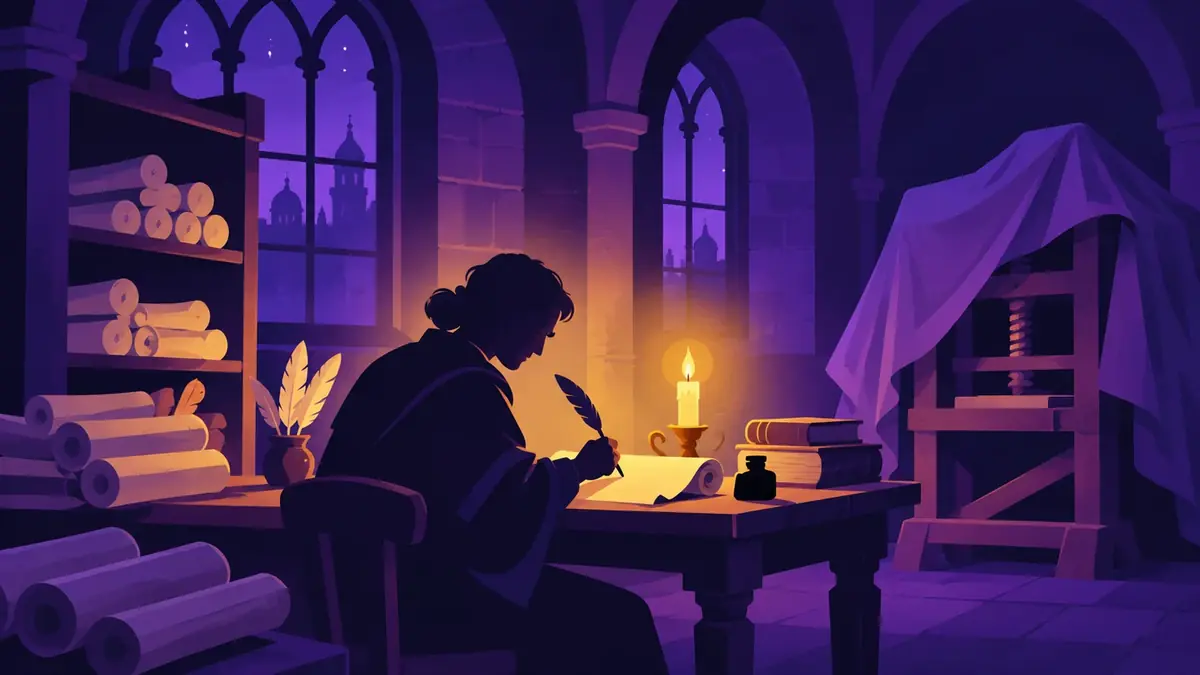
In which century did Johannes Gutenberg's printing press revolutionize the spread of the written word in Europe?
Answer: The 15th century
Gutenberg's press dates to around 1440.
-
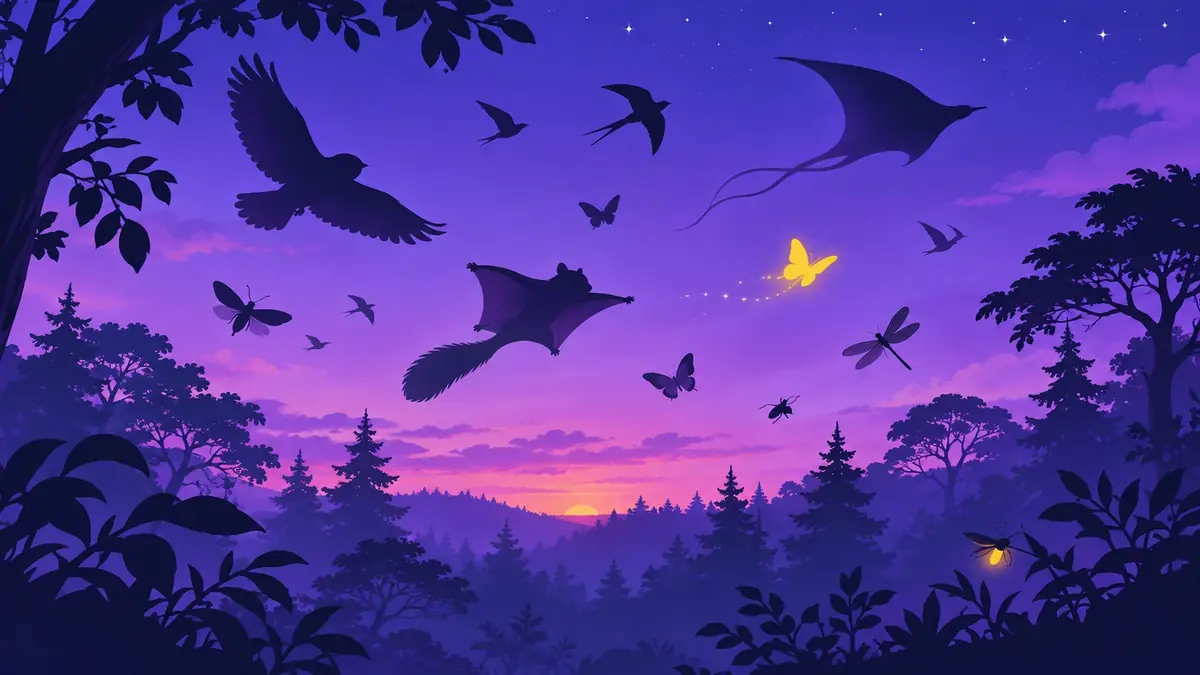
What is the only mammal capable of true, sustained flight?
Answer: The bat
-
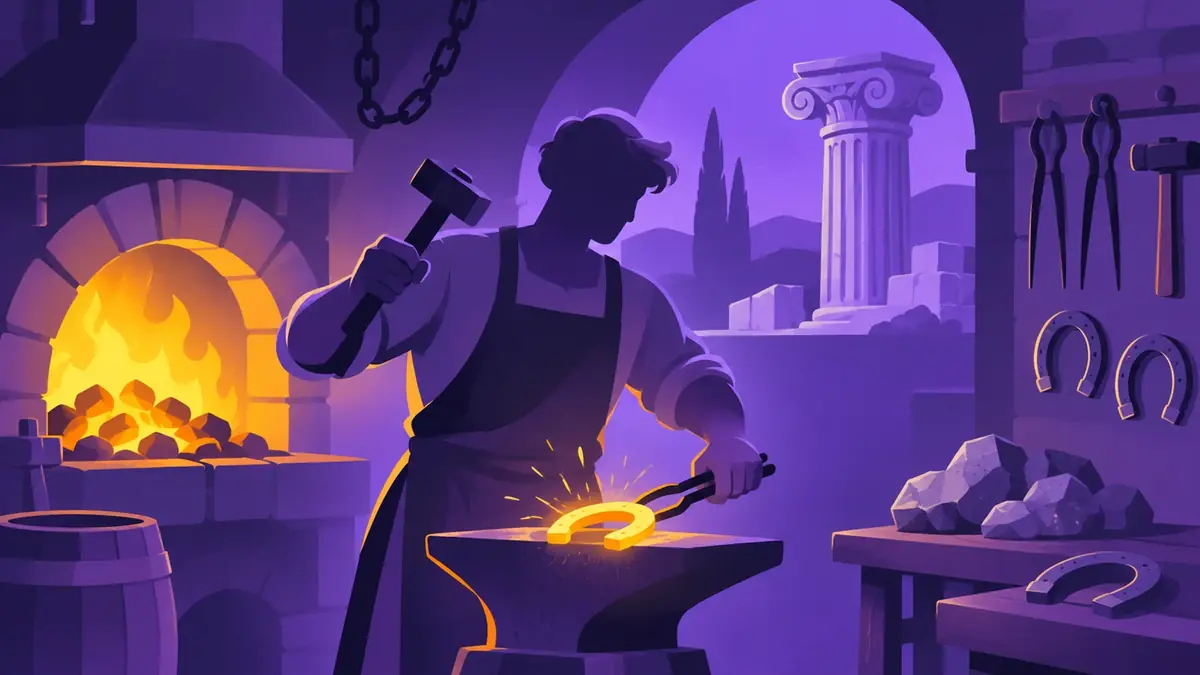
Which element has the chemical symbol 'Fe'?
Answer: Iron
From the Latin word "ferrum."
-
What is the collective noun for a group of crows?
Answer: A murder (of crows)
-
Who painted the ceiling of the Sistine Chapel?
Answer: Michelangelo
-
What is the smallest prime number?
Answer: 2
It's the only even prime — every other even number is divisible by 2.
-
What economic term describes a situation where prices keep rising while economic growth stalls and unemployment stays high?
Answer: Stagflation
-
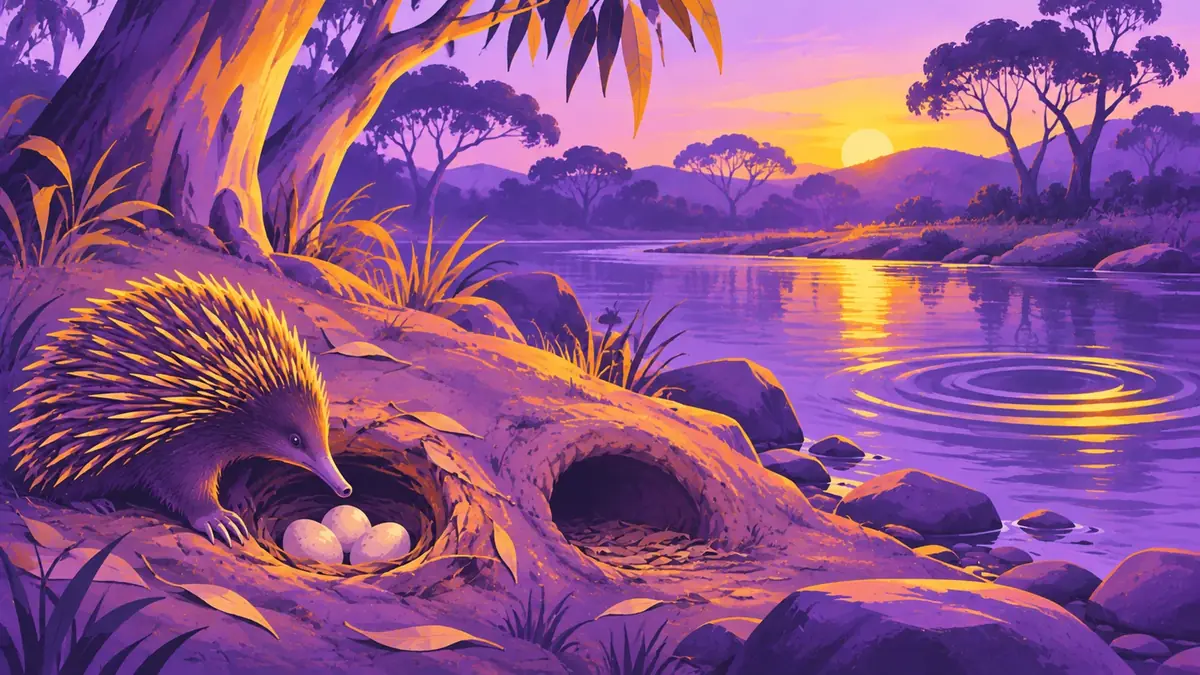
Besides echidnas, what is the only other living mammal that lays eggs?
Answer: The platypus
-
What is the scientific study of fungi called?
Answer: Mycology
-
Einstein's Nobel Prize in Physics was not awarded for relativity. What was it awarded for?
Answer: His explanation of the photoelectric effect
The 1921 prize cited "his discovery of the law of the photoelectric effect" — relativity was still considered too contentious to honour.
-
"Laser" began life as an acronym. What do its five letters stand for?
Answer: Light Amplification by Stimulated Emission of Radiation
-
Which is the only sea on Earth with no coastline, bounded entirely by ocean currents rather than by land?
Answer: The Sargasso Sea
It sits in the North Atlantic, held in place by the currents of the North Atlantic Gyre.
-
Which nineteenth-century novel opens with the three words "Call me Ishmael"?
Answer: Moby-Dick, by Herman Melville
Published in 1851.
-
Which blood type is known as the universal donor for red blood cell transfusions?
Answer: O negative
O-negative red cells carry neither A, B, nor RhD antigens, so a recipient's immune system has nothing to react against.
-
What is the chemical symbol for gold?
Answer: Au
-
In which year did World War II end?
Answer: 1945
-
What is the largest ocean on Earth?
Answer: The Pacific Ocean
-
Who wrote the play 'Romeo and Juliet'?
Answer: William Shakespeare
-
What organelle is often called the "powerhouse of the cell"?
Answer: The mitochondria
-
How many sides does a hexagon have?
Answer: 6
-
About how fast does light travel, in kilometers per second?
Answer: About 300,000 km/s
-
What is the capital city of Australia?
Answer: Canberra
A commonly missed fact — Sydney is the biggest city, but Canberra is the capital.
-
Which planet in our solar system is tipped so far over — roughly 98 degrees — that it effectively rolls around the Sun on its side?
Answer: Uranus
-
What is the longest river in Africa?
Answer: The Nile
-
Which two gases make up about 99% of the air in Earth's atmosphere?
Answer: Nitrogen and oxygen
Roughly 78% nitrogen and 21% oxygen; argon, carbon dioxide and the rest share the last 1%.
-
In which year did the Berlin Wall fall?
Answer: 1989
The border crossings were thrown open on the night of 9 November 1989.
-
What do the three letters in "DNA" stand for?
Answer: Deoxyribonucleic acid
-
Which ancient Greek thinker gives his name to the theorem that a² + b² = c² in a right-angled triangle?
Answer: Pythagoras
-
What is the largest planet in our solar system?
Answer: Jupiter
-
How many continents are there on Earth?
Answer: 7
-
What is the tallest mountain in the world, measured from sea level?
Answer: Mount Everest
-
How many legs does a spider have?
Answer: 8
-
What gas do plants absorb from the air to help make their own food?
Answer: Carbon dioxide
-
What is the freezing point of water, in degrees Celsius?
Answer: 0°C
-
Which planet is known as the "Red Planet"?
Answer: Mars
-
About how many bones are in the adult human body?
Answer: 206
-
What is the smallest planet in our solar system?
Answer: Mercury
-
What is the largest organ in the human body?
Answer: The skin
-
What is a baby kangaroo called?
Answer: A joey
-
How many hearts does an octopus have?
Answer: 3
Two smaller hearts pump blood to the gills, and one main heart pumps it to the rest of the body.
-
What is the largest desert in the world?
Answer: Antarctica
A desert is defined by how little rain or snow it gets, not by sand — and Antarctica gets less precipitation than the Sahara, making it the largest desert by area.
-
How many chambers does the human heart have?
Answer: 4
-
What is the hardest naturally occurring substance on Earth?
Answer: Diamond
-
What is the chemical formula for water?
Answer: H2O
-
About how many teeth does an adult human have, including wisdom teeth?
Answer: 32
-
What is the tallest land animal in the world?
Answer: The giraffe

No riddles here yet — try a different type, or switch to "All riddles" / "Solved" above.
Want a paper copy? Open the printable Trivia riddle sheet